Introduction: Where Visual Storytelling Meets Moroccan Magic
Morocco has long captivated the hearts of photographers, artists, and fashion enthusiasts from around the globe. From the electric blue streets of Chefchaouen to the golden dunes of the Sahara, this North African jewel offers an unparalleled canvas for visual storytelling.
Morocco photography tours have evolved into sophisticated experiences that blend artistic exploration, fashion shoots, and luxurious villa accommodations. These create the perfect environment for both professional photographers and creative travelers seeking inspiration.
The allure of Morocco as a photography destination goes beyond its stunning landscapes. It’s a country where ancient traditions meet contemporary creativity, where every corner tells a story waiting to be captured through the lens.
Whether you’re a fashion photographer seeking exotic backdrops, an artist looking to document cultural richness, or a traveler wanting to capture memories in style, Morocco photography tours offer tailored experiences that combine creative pursuits with luxury comfort.
This comprehensive guide explores the multifaceted world of Morocco photography tours, focusing on three compelling aspects: artistic photography opportunities, fashion and commercial shoots, and the unique experience of villa-based photography retreats.

The Art of Photography in Morocco: A Visual Paradise
Morocco’s Diverse Photographic Landscapes
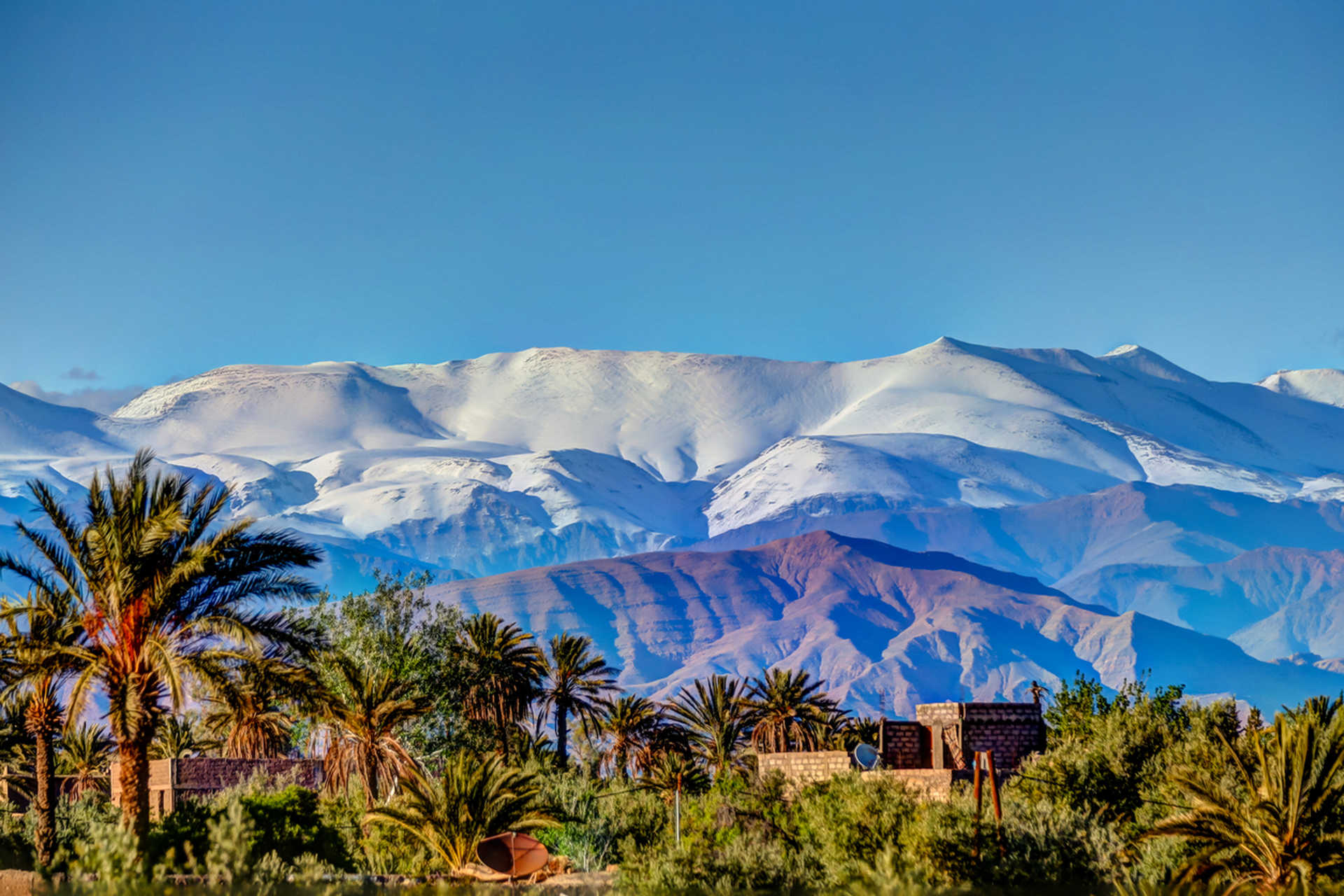
Morocco’s geographical diversity provides photographers with an extraordinary range of subjects and settings. Within a single country, you can photograph snow-capped Atlas Mountains, endless Saharan dunes, lush palm groves, dramatic Atlantic coastlines, and ancient medinas that seem frozen in time.
This variety is rare and makes Morocco an ideal destination for photographers seeking to build diverse portfolios during a single trip.
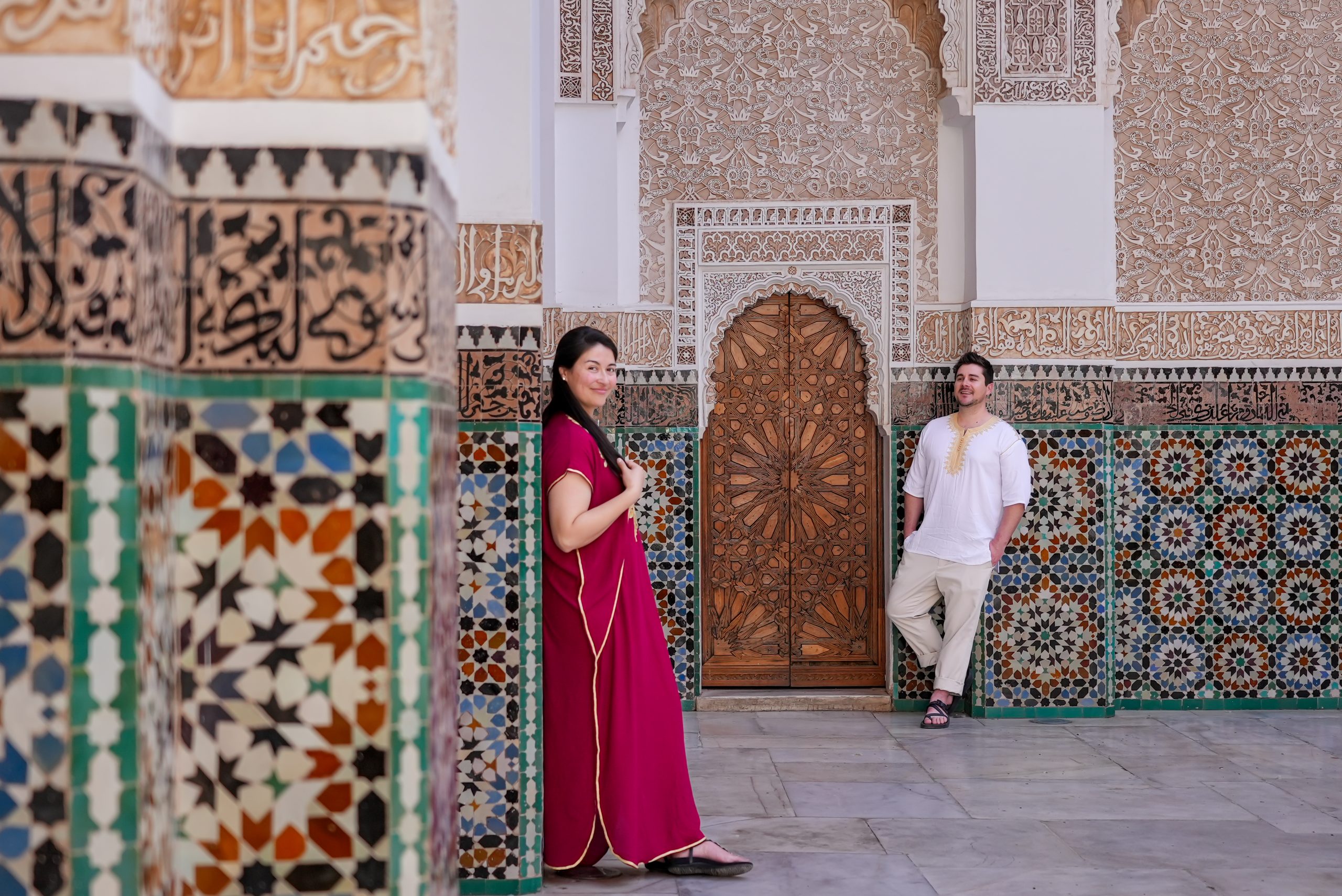
The architectural photography opportunities alone are worth the journey. Morocco’s Islamic architecture features intricate geometric patterns, stunning tile work known as zellige, carved cedar woodwork, and elaborate plasterwork.
The famous blue city of Chefchaouen offers a monochromatic dream for photographers, while the pink-hued buildings of Marrakech provide warm, earthy tones that photograph beautifully in golden hour light. If you’re planning to explore this vibrant city, check out our guide on activities in Marrakech.
Street photography in Morocco is equally rewarding. The medinas of Fes, Marrakech, and Essaouira are labyrinths of activity where daily life unfolds in visually captivating ways.
Craftsmen practice centuries-old trades, merchants display colorful goods, and locals navigate narrow alleyways on donkeys and motorcycles. Every moment presents a potential photograph that captures the authentic essence of Moroccan culture.
Light and Color: Morocco’s Natural Advantages
One of Morocco’s greatest assets as a photography destination is its exceptional light quality. The country’s position on the edge of the Sahara Desert and along the Atlantic coast creates atmospheric conditions that photographers dream about.
The light here has a unique clarity and warmth that enhances colors and creates dramatic shadows, particularly during the golden hours of sunrise and sunset.
The famous “Moroccan blue” isn’t just a marketing term. The intensity of the blue sky against desert sands, white-washed buildings, or the cobalt walls of Chefchaouen creates natural color contrasts that need minimal post-processing.
Similarly, the warm ochre and terracotta tones of traditional buildings, combined with the vibrant colors of textiles, spices, and ceramics in the souks, provide a rich color palette that translates beautifully to photographs.
Desert photography offers particularly magical opportunities. The Sahara’s ever-changing dunes create abstract patterns and curves that challenge photographers to see landscape in new ways.
The play of light and shadow across the sand transforms throughout the day, offering endless compositional possibilities. Night photography in the desert reveals some of the clearest skies on Earth, perfect for astrophotography and star trail images.
Learn more about desert astrophotography techniques from National Geographic’s expert guides.
Cultural Documentation and Storytelling
Morocco photography tours provide unique opportunities for documentary-style photography that captures authentic cultural experiences. From traditional Berber villages in the Atlas Mountains to coastal fishing communities, Morocco offers subject matter that tells compelling human stories.
Photography tours with cultural focus often include privileged access to locations and communities that independent travelers might struggle to reach.
Professional guides who understand both photography needs and local customs can arrange meetings with craftspeople, facilitate visits to private homes, and explain cultural contexts that enrich the visual storytelling.
This combination of access and understanding allows photographers to create work with depth and authenticity.
Portrait photography in Morocco requires sensitivity and cultural awareness, particularly regarding religious customs about photographing people. Quality photography tours provide guidance on appropriate conduct and often facilitate portrait sessions with willing subjects in respectful, meaningful ways.
The resulting images—whether of weathered Berber faces, elegant women in traditional dress, or craftsmen absorbed in their work—become powerful visual narratives that transcend simple tourism photography.

Fashion Photography in Morocco: A Runway Through History
Why Morocco Has Become a Fashion Photography Hotspot
Morocco has emerged as one of the world’s premier locations for fashion photography and commercial shoots. International fashion brands, magazines, and influencers regularly choose Morocco as their backdrop for campaigns, editorials, and content creation.
This trend isn’t coincidental—Morocco offers a unique combination of exotic aesthetics, diverse locations, favorable logistics, and year-round shooting possibilities that few destinations can match.
The visual drama that Morocco provides naturally elevates fashion photography. Imagine a model in haute couture standing against the geometric patterns of a centuries-old palace, or contemporary streetwear photographed in the vibrant chaos of a traditional souk.
The contrast between modern fashion and ancient settings creates striking images that capture attention in today’s crowded visual marketplace.
Beyond aesthetics, Morocco offers practical advantages for fashion shoots. The country is relatively accessible from Europe, with direct flights from major cities taking just a few hours.
The cost of production is significantly lower than in European or North American locations, allowing bigger budgets for creative elements. Morocco’s established tourism infrastructure means excellent accommodation options, reliable local crews, and professional support services for complex productions.
Iconic Fashion Photography Locations in Morocco
Certain Moroccan locations have become iconic in the fashion world, recognized globally through countless editorials and campaigns. The Majorelle Garden in Marrakech, with its electric blue buildings and exotic plants, has been featured in countless fashion shoots.
The garden’s striking color palette and manicured beauty provide a polished backdrop that works for both high fashion and lifestyle photography.
The Sahara Desert offers unparalleled drama for fashion photography. The minimalist landscape of sand dunes creates a powerful backdrop that allows clothing and models to become the absolute focus.
The desert’s isolation and otherworldly quality add an element of fantasy and adventure to fashion images. Many luxury brands have created memorable campaigns using the desert’s stark beauty to showcase everything from haute couture to athletic wear.
Urban settings in Morocco provide equally compelling options. The geometric architecture of Hassan II Mosque in Casablanca, the labyrinthine streets of Fes medina, the coastal charm of Essaouira, and the modern sophistication of new Marrakech neighborhoods all offer distinct aesthetics for fashion shoots.
This variety allows photographers to create diverse looks within a single trip, maximizing production efficiency while showcasing different aspects of Moroccan culture.
For photography inspiration and latest fashion trends shot in exotic locations, follow Vogue’s photography section.

Organizing Professional Fashion Shoots in Morocco
Planning a professional fashion shoot in Morocco requires careful coordination, and specialized photography tours can streamline this complex process. These services typically include location scouting, permit acquisition, local crew hiring, equipment rental, and logistical support.
Understanding local regulations, particularly around photographing in public spaces and historical sites, is essential for smooth production.
Professional photography tour operators with fashion experience maintain relationships with local authorities, property owners, and creative professionals. They can secure access to exclusive locations like private riads, luxury hotels, and restricted historical sites that would be difficult for independent photographers to arrange.
This access is often the difference between a good fashion shoot and an extraordinary one.
Morocco’s fashion photography scene has grown to include professional models, makeup artists, stylists, and production assistants familiar with international standards. Many speak multiple languages and understand the pace and requirements of commercial shoots.
This local expertise combined with Morocco’s visual richness creates ideal conditions for producing world-class fashion imagery efficiently and economically.
Styling Opportunities: Moroccan Fashion Elements
Morocco’s rich textile traditions and contemporary fashion scene offer exciting styling possibilities for fashion photography. Traditional elements like caftans, djellabas, babouche slippers, and jewelry can be incorporated into shoots for authentic cultural flavor.
Local artisans can create custom pieces or provide traditional garments for editorial work that tells stories about Moroccan craftsmanship.
Contemporary Moroccan designers are also making waves internationally, blending traditional craftsmanship with modern aesthetics. Including pieces from Moroccan designers in fashion shoots supports local creative economy while adding unique elements that distinguish the work.
The combination of international fashion with Moroccan accessories or backgrounds creates cultural fusion that resonates with global audiences.
The country’s numerous souks and markets provide endless props and styling elements—from colorful carpets and brass lanterns to ceramic tagines and leather goods. These authentic details add layers of visual interest and cultural context to fashion photography.
A simple scarf shot in a Parisian studio becomes something special when photographed against the rich textures and colors of a Moroccan setting.
Villa Time: Luxury Accommodations for Photography Retreats
The Rise of Villa-Based Photography Experiences
Villa-based photography tours represent a growing trend that combines luxury accommodation with creative pursuits. Instead of hotel-hopping, photographers base themselves in beautiful private villas that serve as both home and inspiration.
These properties—often traditional riads, restored kasbahs, or contemporary luxury homes—provide comfortable environments for both rest and work, with stunning architecture and design that photograph beautifully.
The villa experience offers several advantages for serious photographers. Privacy and space allow for focused creative work without the distractions of busy hotels.
Many villas feature rooftop terraces, courtyards, pools, and gardens that provide instant photography opportunities without leaving the property. The villa itself becomes part of the photography portfolio, offering lifestyle and architectural subjects that complement location work.
For photography workshops and retreats, villas provide ideal settings. Private spaces allow for instruction, critique sessions, and collaborative work in comfortable, distraction-free environments.
Shared meals and social time build community among participants, fostering creative exchange and collaboration. The luxury aspect isn’t frivolous—it’s about creating conditions where creativity flourishes without the stress of poor accommodation or logistical complications.
Our Morocco package holidays offer various villa accommodation options tailored to photographers’ needs.
Types of Photographic Villas in Morocco
Morocco offers diverse villa options suited to different photography needs and aesthetics. Traditional riads in medinas provide authentic Moroccan architecture with central courtyards, intricate tile work, and rooftop terraces overlooking historic cities.
These properties photograph beautifully and immerse guests in the heart of Moroccan urban culture. Riad photography captures architectural details, plays with light streaming through courtyards, and frames views of ancient cityscapes.
Desert kasbahs and kasbah-style villas offer different aesthetics—earthen architecture, minimalist interiors with traditional Berber elements, and desert landscapes extending to the horizon.
These properties often feature dramatic sunset views, starry night skies, and the serene isolation that allows for contemplative photography. The architecture’s connection to landscape creates opportunities for environmental portrait work and architectural photography that explores human adaptation to harsh climates.
Contemporary luxury villas, particularly around Marrakech and coastal areas, provide modern comforts while incorporating Moroccan design elements. These properties often feature infinity pools, sculptural architecture, contemporary art collections, and designer interiors.
They’re ideal for fashion lifestyle photography, luxury brand content, and editorial work that requires polished, sophisticated settings. Many have been designed with photography in mind, offering exceptional light, clean lines, and Instagram-worthy spaces.
Villa Amenities for Photographers
Photography-friendly villas in Morocco increasingly cater to the specific needs of visual creators. High-speed internet is essential for uploading and backing up images, and top villas now offer reliable connectivity.
Spacious, well-lit areas serve as impromptu studios or editing stations where photographers can review and process their work. Some properties include actual photography studios with controlled lighting and neutral backgrounds.
Outdoor spaces are crucial for lifestyle and fashion photography. Pools, gardens, terraces, and courtyards provide beautiful natural settings for shoots.
The play of Moroccan light on water, traditional tile work, and lush vegetation creates magical photographic opportunities. Many villas are designed to photograph well, with careful attention to composition, color palette, and lighting that translates beautifully to images.
Professional photography tours that include villa accommodation often provide additional services like equipment storage and charging stations, props and styling elements, local model and crew connections, and transportation to location shoots.
Some offer dedicated photo guides who understand both photography and the local area, ensuring participants capture the best images while managing logistics smoothly.

Daily Rhythms of Villa-Based Photography Tours
A typical day on a villa-based photography tour balances structured activity with creative freedom. Mornings often begin early to catch the golden light, with organized shoots to specific locations.
Perhaps a sunrise session in the desert, an architectural tour of a historic kasbah, or a market visit when vendors are arranging their photogenic displays. Professional guides handle logistics, allowing photographers to focus entirely on their craft.
Midday heat in Morocco can be intense, particularly in summer. This natural break in the day allows return to the villa for lunch, rest, and reviewing morning work.
Participants can edit images, share feedback in group settings, or enjoy the villa’s amenities. This downtime is valuable—it prevents burnout and allows for the mental processing that’s essential to creative work.
Afternoon and evening sessions take advantage of the beautiful late-day light that Morocco is famous for. Photographers might revisit locations from morning with different light conditions, explore new areas, or conduct portrait sessions with the warm glow of sunset.
After evening shoots, return to the villa for dinner, social time, and potentially night photography sessions using the villa itself as a subject or continuing with astrophotography if in a dark sky location.
The Social and Creative Benefits of Shared Villa Experiences
Photography tours that bring small groups together in shared villas create special dynamics that enhance the creative experience. The intimate setting fosters genuine connections among participants who share passion for photography.
Evening conversations about technique, composition, and creative vision become informal masterclasses. More experienced photographers naturally mentor beginners, while fresh perspectives from newer photographers challenge veterans to see differently.
Collaborative projects emerge organically in villa settings. Participants might work together on elaborate lighting setups, assist with each other’s fashion shoots, or embark on creative challenges they devise together.
The combination of shared purpose, comfortable space, and like-minded community often sparks creativity that solitary work doesn’t achieve. Many photographers report that their villa retreat work represents some of their most innovative images.
For couples or friends traveling together, villa-based photography tours offer shared experiences without requiring identical interests. One person might focus intensely on photography while another enjoys cultural experiences, spa time, or simply relaxing by the pool.
The villa serves as a comfortable home base that accommodates different rhythms and interests while keeping the group together.
Planning Your Morocco Photography Tour: Practical Considerations
Best Times for Photography in Morocco
Morocco’s climate varies significantly by region, affecting both comfort and photographic conditions. Generally, spring (March to May) and autumn (September to November) offer the most pleasant temperatures and beautiful light across the country.
These seasons avoid summer’s extreme heat and winter’s cold nights, particularly in the Atlas Mountains and desert regions.
Spring brings wildflowers to the Atlas Mountains and comfortable temperatures in the desert. The light has exceptional clarity, and tourist crowds haven’t yet reached peak levels.
This is ideal for landscape and architectural photography where you want minimal people in frames. Autumn offers similar advantages with the addition of harvest seasons—dates, olives, and grapes—providing additional cultural photography opportunities.
Summer (June to August) can be very hot, particularly in Marrakech and desert regions, but offers advantages for certain photography. Coastal areas like Essaouira remain pleasant with ocean breezes.
The intense summer light creates strong contrasts that work well for certain artistic styles. Additionally, summer offers extremely long days, maximizing shooting time.
Winter (December to February) brings snow to the Atlas Mountains—stunning for landscape photography—and comfortable temperatures in southern desert regions, though nights can be quite cold.
For detailed climate information and travel planning, visit Morocco’s official tourism website.
Duration and Itinerary Design
Photography tours in Morocco typically range from one week to two weeks, with some intensive workshops lasting just a few days and comprehensive tours extending to three weeks or more.
A one-week tour allows coverage of highlights—perhaps Marrakech, a desert experience, and one or two additional locations. This timeframe suits photographers with limited vacation time who want a focused experience.
Two-week tours enable deeper exploration and more diverse photography. You can include multiple distinct regions—the Imperial Cities, the Sahara, the Atlas Mountains, and coastal areas—without feeling rushed.
The additional time allows for revisiting locations under different light conditions, pursuing specific projects in depth, and building relationships with local subjects for more meaningful portraits.
When planning itineraries, balance is crucial. Too many locations mean excessive travel time that cuts into shooting hours and exhausts participants.
Basing in one or two villas with day trips to various locations often works better than constantly packing and moving. This approach provides the variety photographers need while maintaining the comfort and creative space that villa accommodations offer.
What to Pack for Photography in Morocco
Camera equipment choices depend on your photography focus. Landscape photographers prioritize wide-angle lenses, tripods for long exposures and HDR work, and neutral density filters for controlling bright desert and coastal light.
Portrait and street photographers might emphasize prime lenses (35mm, 50mm, 85mm) that excel in low light inside medinas and riads. Fashion photographers bring lighting equipment or arrange local rentals through tour operators.
Morocco’s diverse environments require versatile clothing. Light, breathable fabrics work for hot days, but bring layers for cool mornings and evenings, especially in desert and mountain regions.
Modest clothing is respectful in this Muslim country—covering shoulders and knees is advisable, particularly when photographing in religious areas or rural communities. Comfortable walking shoes are essential for navigating cobblestone medinas and uneven terrain.
Technical considerations include sufficient memory cards and backup storage—you’ll shoot more than anticipated in visually rich Morocco. Extra batteries are crucial as charging opportunities may be limited during day trips.
Lens cleaning supplies matter in dusty desert environments. Travel adapters for Morocco’s Type C and E outlets ensure you can charge equipment. Consider bringing a laptop or tablet for reviewing, backing up, and possibly editing work during the trip.
For a comprehensive photography packing guide, check B&H Photo’s travel photography checklist.
Cultural Sensitivity and Photography Ethics
Respecting Moroccan culture enhances your experience and the quality of your photography. Always ask permission before photographing people, especially women and children.
A friendly “Labas?” (How are you?) and a gesture toward your camera usually communicates your intent. Be prepared for some people to decline or ask for a tip—this is normal and should be respected.
Forced or surreptitious photography of people feels exploitative and produces inferior images compared to willing subjects.
Religious sites require particular sensitivity. Many mosques in Morocco are closed to non-Muslims, and photography inside those that permit visitor access may be restricted.
Always follow posted rules and instructions from guides. Even in public religious spaces, avoid photography during prayer times when worshippers deserve privacy and respect. Your tour guide can help navigate these situations appropriately.
Souks and markets are photographer’s playgrounds, but vendors may object to photography they feel exploits their goods without benefiting them. Building rapport—greeting merchants, showing interest in their crafts, perhaps making small purchases—often results in permission to photograph.
Some vendors may ask for payment for photographs, which is reasonable. These interactions, when handled respectfully, often lead to more authentic images than stolen shots of reluctant subjects.
Maximizing Your Photography Tour Experience
Pre-Trip Research and Inspiration
Successful photography tours begin long before departure. Research Morocco’s visual culture through photography books, Instagram accounts of Moroccan photographers, and exhibitions featuring Moroccan work.
Understanding the country’s aesthetic traditions, color palettes, and visual symbols helps you recognize and create more meaningful images. Study the work of photographers who’ve worked extensively in Morocco to understand how they’ve approached its unique light and culture.
Create shot lists and mood boards for your specific interests. If fashion photography is your focus, collect examples of shoots in Morocco that inspire you and analyze what makes them effective.
Landscape photographers should identify specific locations, optimal times of day for visits, and compositional approaches they want to explore. Having clear creative goals ensures you maximize limited time and don’t return wishing you’d pursued certain shots.
Technical preparation matters too. Ensure your equipment is in excellent working order before departure. Practice with any new gear so you’re comfortable using it in the field.
If you’re joining a workshop, review any pre-course materials provided by instructors. Consider experimenting with techniques you’ll use in Morocco—long exposure for star trails, high-contrast street photography, environmental portraiture—so you’re technically prepared to execute your vision.
Working with Local Guides and Fixers
Professional photography tour operators provide guides who understand both photography and Morocco deeply. These individuals are invaluable resources who can open doors literally and figuratively.
They know which locations photograph best at what times, can negotiate access to private spaces, communicate with potential subjects, and handle logistical details that would otherwise consume your creative energy.
A good fixer or guide does more than point you toward pretty scenes—they provide cultural context that enriches your understanding and therefore your images.
They explain the significance of what you’re photographing, share stories that give depth to your visual work, and help you avoid cultural missteps. This partnership elevates your photography from surface documentation to meaningful cross-cultural storytelling.
Building good working relationships with guides enhances everyone’s experience. Communicate your photography goals clearly so they can help achieve them.
Respect their knowledge and advice about timing, locations, and cultural protocols. Show appreciation for their efforts—they work hard in challenging conditions to ensure your success.
Tip appropriately at tour end, and consider sharing final images that include them or their communities as a lasting thank you.
Post-Processing and Presenting Your Work
The photography doesn’t end when you leave Morocco—careful post-processing brings your images to their full potential. Morocco’s intense light and rich colors can result in challenging exposure situations.
RAW format shooting gives maximum flexibility for recovering detail in highlights and shadows. Consider Morocco’s warm light when setting white balance, embracing the golden tones that characterize the location rather than neutralizing them completely.
Be mindful of over-processing, which can make images feel artificial and remove the authentic quality that makes Morocco special. The country’s natural colors are already vibrant—excessive saturation produces garish results.
Similarly, Morocco’s texture and patina shouldn’t be erased with excessive smoothing. The weathered surfaces, dusty atmosphere, and rough textures are part of the visual story.
Consider how you’ll present and share your Morocco photography. A curated series of 20-30 strong images tells a more compelling story than hundreds of similar shots.
Think about narrative arc—how do your images work together to communicate an experience, emotion, or insight about Morocco? Whether creating a printed portfolio, an exhibition, a social media series, or a photography book, thoughtful selection and sequencing elevate individual images into meaningful visual storytelling.
For post-processing tutorials and techniques, explore Adobe’s Lightroom learning resources.
Conclusion: Your Journey Through Morocco’s Visual Landscape
Morocco photography tours represent far more than vacation snapshots—they’re immersive creative experiences that challenge photographers to grow, experiment, and see the world differently.
The combination of extraordinary visual diversity, rich cultural heritage, exceptional light, and luxury villa accommodations creates ideal conditions for producing meaningful photographic work while enjoying comfort and inspiration.
Whether your passion is art photography that explores culture and landscape, fashion work that pushes creative boundaries, or simply capturing memorable images in one of the world’s most photogenic countries, Morocco offers experiences tailored to your vision.
The villa-based approach adds a dimension of luxury and community that traditional tours can’t match, providing both a beautiful home base and social connections that enrich the creative journey.
As you plan your Morocco photography adventure, remember that the best images often come from unexpected moments—the spontaneous interaction with a local craftsman, the magical light that appears for just minutes at sunset, the architectural detail you notice in passing that becomes a favorite image.
Structured photography tours provide framework and opportunity, but remain open to serendipity and spontaneity that make travel photography truly special.
Morocco awaits with its ancient medinas, dramatic deserts, snow-capped mountains, and warm-hearted people. Your camera is the key that unlocks not just images, but deeper understanding and connection.
Through the lens, Morocco reveals itself in layers—visual splendor first, then cultural richness, and finally, if you look carefully, universal human stories that transcend borders.
This is the true gift of Morocco photography tours: returning home not just with beautiful images, but with transformed vision and expanded creative horizons.
Pack your cameras, prepare your creative spirit, and ready yourself for a journey where every corner offers a new frame, every encounter tells a story, and every image captures a piece of Morocco’s timeless magic.
Your villa awaits, the light is perfect, and Morocco’s visual feast is ready to be explored through your unique photographic vision. Explore our Morocco photography tours to start planning your creative adventure today.