Introduction
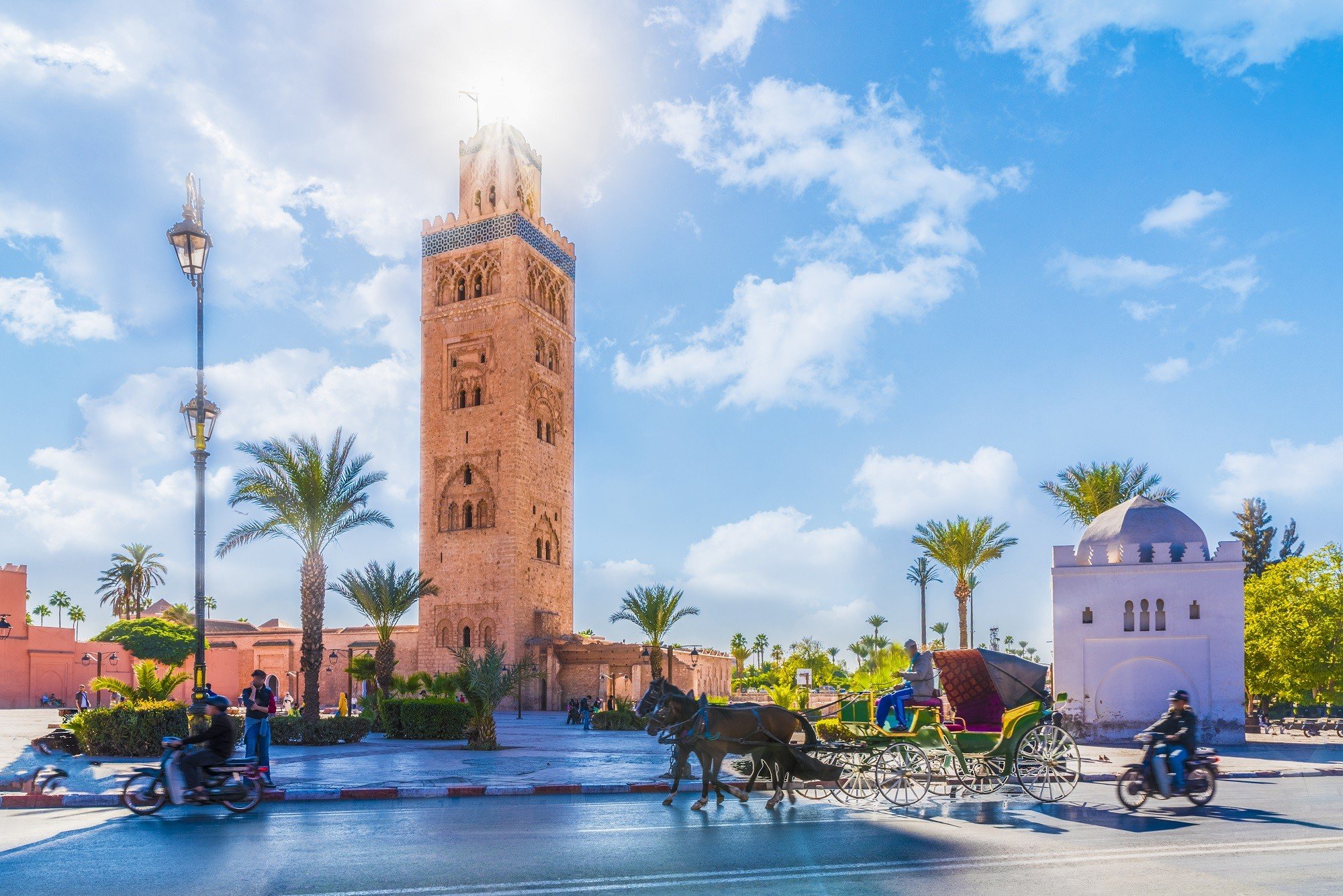
Marrakech serves as the perfect gateway to Morocco’s most stunning landscapes and cultural treasures. Beyond the bustling medina and vibrant souks, countless adventures await just hours from the Red City. Whether you’re seeking mountain retreats, coastal escapes, or desert landscapes, day trips from Marrakech offer unforgettable experiences that showcase the country’s diverse beauty.
Planning Marrakech excursions allows travelers to discover authentic Morocco while returning to comfortable accommodation each evening. From cascading waterfalls to ancient kasbahs, each destination reveals a different facet of Moroccan culture and natural splendor. These carefully curated journeys provide insights into local traditions, breathtaking scenery, and memories that last a lifetime.
Why Choose Day Trips from Marrakech
Marrakech’s central location makes it an ideal base for exploring Morocco’s varied regions. The city sits at the crossroads between mountains, deserts, and coastline, offering unparalleled access to diverse landscapes. Most destinations lie within a two to three-hour drive, making them perfectly suited for single-day adventures.
Day trips eliminate the hassle of changing hotels while maximizing your exploration time. You’ll experience multiple facets of Morocco without the logistical challenges of multi-destination itineraries. Additionally, returning to Marrakech each evening means you can enjoy the city’s renowned restaurants, riads, and nightlife after your daytime adventures.
Organized Marrakech excursions typically include transportation, expert guides, and carefully planned itineraries. These arrangements ensure you make the most of limited time while gaining deeper cultural insights. Professional guides share historical context, local stories, and practical knowledge that independent travelers might miss.
Agafay Desert from Marrakech: The Sahara’s Accessible Alternative
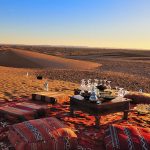
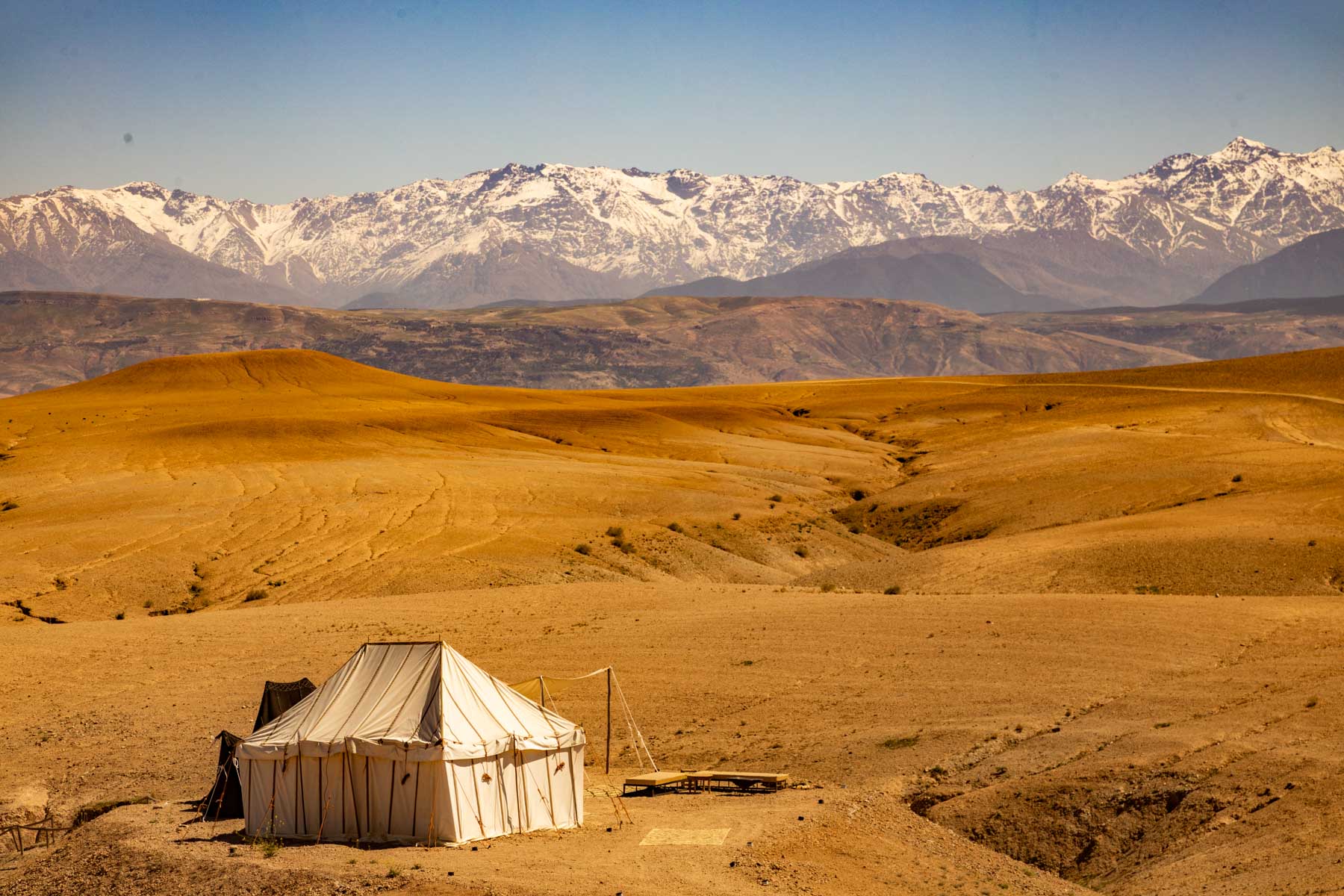
The Agafay Desert from Marrakech offers a remarkable desert experience just 40 kilometers from the city center. This rocky desert landscape resembles the Sahara’s grandeur without requiring an overnight journey. Rolling hills of stone and sand create dramatic vistas that feel worlds away from urban Marrakech.
What Makes Agafay Desert Special
Unlike the sandy dunes of Erg Chebbi, Agafay features a lunar-like terrain of barren hills and rocky plateaus. The landscape changes dramatically throughout the day as sunlight shifts across the stones. Photographers find endless opportunities to capture the stark beauty and interplay of light and shadow.
Many visitors combine desert exploration with traditional Berber experiences. Local families welcome guests into their homes, sharing mint tea and stories about desert life. These authentic encounters provide meaningful connections to Morocco’s indigenous culture and hospitality traditions.
Activities in Agafay Desert
Camel trekking remains the quintessential Agafay experience, allowing visitors to traverse the landscape as travelers have for centuries. Quad biking offers adrenaline-seekers a thrilling way to explore the terrain’s rugged features. Sunset tours are particularly popular, as the fading light transforms the desert into a palette of oranges, pinks, and purples.
Several luxury camps have established glamping sites throughout Agafay Desert. These venues offer day visits including traditional Moroccan lunch, swimming pools, and comfortable lounging areas. Evening experiences often feature campfire dinners, stargazing, and traditional music performances under vast desert skies.
Practical Tips for Visiting Agafay Desert from Marrakech
The journey takes approximately 45 minutes to one hour depending on your departure point in Marrakech. Most organized excursions depart in the afternoon to capture the stunning sunset light. Morning visits work well for those wanting to avoid midday heat and crowds.
Dress in layers, as desert temperatures fluctuate significantly between day and night. Bring sunscreen, sunglasses, and a hat for sun protection during daytime visits. Comfortable closed-toe shoes prevent sand from irritating your feet during activities.
Transportation options include private tours, shared group excursions, or hired drivers for independent exploration. Booking through reputable operators like Morocco Holiday Services ensures reliable transportation and knowledgeable guides. Budget approximately 300-600 MAD for half-day group tours or 800-1200 MAD for private experiences.
Ait Ben Haddou from Marrakech: A UNESCO World Heritage Wonder
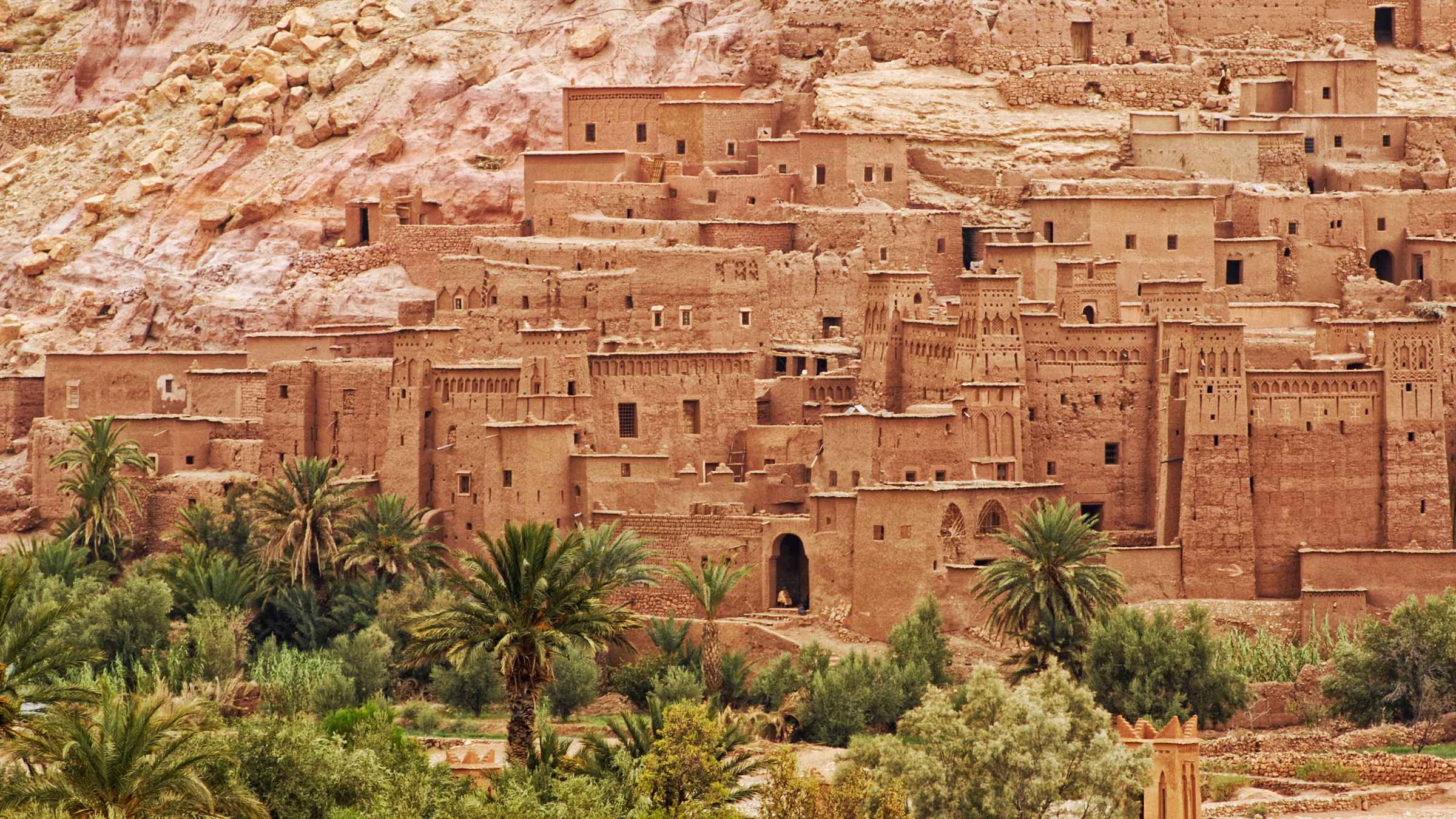
Ait Ben Haddou from Marrakech represents one of Morocco’s most iconic historical sites and architectural marvels. This fortified village, or ksar, has stood for centuries along the former caravan route between the Sahara and Marrakech. Its distinctive red mud-brick buildings cascade down a hillside, creating a striking silhouette against the Atlas Mountains backdrop.
Historical Significance and Architecture
The ksar dates back to the 11th century, though most current structures originate from the 17th century. Traditional earthen clay architecture demonstrates ingenious building techniques adapted to Morocco’s climate. High walls and narrow passages provide natural cooling while defending against historical invaders.
UNESCO designated Ait Ben Haddou as a World Heritage Site in 1987, recognizing its outstanding universal value. The site exemplifies pre-Saharan habitat construction and represents an exceptional example of southern Moroccan architecture. Several families still inhabit the ksar, maintaining centuries-old traditions and preserving this living heritage.
Film Location Fame
Hollywood discovered Ait Ben Haddou decades ago, transforming it into one of the world’s most filmed locations. Productions including “Gladiator,” “Game of Thrones,” and “Lawrence of Arabia” showcased its dramatic architecture. Film enthusiasts recognize specific buildings and courtyards from their favorite movies and television series.
Walking through the ksar feels like stepping onto a movie set even without filming in progress. The atmospheric alleyways, rooftop views, and ancient kasbahs provide endless photographic opportunities. Local guides point out specific filming locations and share behind-the-scenes stories from various productions.
Exploring Ait Ben Haddou
Begin your visit by crossing the seasonal river via stepping stones or a modern bridge. The climb through the ksar’s winding streets rewards visitors with progressively better views. Reach the hilltop granary for panoramic vistas encompassing the village, palm groves, and surrounding desert landscape.
Several cooperatives and shops sell traditional handicrafts including carpets, pottery, and jewelry. These purchases directly support families maintaining their ancestral homes within the ksar. Take time to explore the rooftop terraces, where families once gathered to socialize and watch for approaching caravans.
Practical Information for Your Visit
The journey from Marrakech requires approximately three to four hours each way, making early departure essential. Most tours include stops at the Tizi n’Tichka pass for spectacular mountain views. The winding mountain road climbs to 2,260 meters, offering breathtaking scenery and photo opportunities.
Combine your visit with stops at nearby Ouarzazate, Morocco’s cinema capital and location of Atlas Film Studios. The town features several kasbahs and serves as a base for deeper Sahara explorations. Many organized Marrakech excursions pair Ait Ben Haddou with Ouarzazate for comprehensive full-day experiences.
Wear comfortable walking shoes suitable for climbing uneven stone paths and stairs. Bring water, snacks, and sun protection for the journey and exploration. Small entrance fees support site maintenance and local community development initiatives.
Essaouira from Marrakech: Atlantic Coast Charm
Essaouira from Marrakech offers a refreshing coastal escape just two and a half hours from the inland heat. This fortified seaside town combines Portuguese, French, and Berber influences into a uniquely charming atmosphere. White-washed buildings with bright blue shutters create a distinctly Mediterranean aesthetic rare in Morocco.

The Medina and Ramparts
Essaouira’s UNESCO-listed medina showcases exceptional 18th-century military architecture adapted to North African conditions. Portuguese engineers designed the fortifications, creating one of Morocco’s best-preserved examples of European military design in Africa. Walking along the ramparts provides stunning ocean views and glimpses into the town’s maritime heritage.
The medina’s grid layout contrasts sharply with Marrakech’s maze-like streets, making navigation refreshingly straightforward. Art galleries, boutiques, and craft workshops fill the whitewashed buildings. Essaouira has cultivated a thriving arts scene, attracting painters, musicians, and artisans from across Morocco and beyond.
Beach and Water Activities
Strong trade winds make Essaouira a premier destination for windsurfing and kitesurfing enthusiasts. The expansive beach stretches for kilometers, offering space for leisurely walks and beach activities. Camel and horse rides along the shoreline provide unique perspectives of the coastline and medina.
Fresh seafood defines Essaouira’s culinary scene, with the daily catch displayed at the port’s fish market. Small grills prepare your selected fish, squid, or shrimp while you wait. Waterfront restaurants serve traditional Moroccan seafood tagines, grilled sardines, and the local specialty of fish pastilla.
Cultural Experiences
The town’s musical heritage centers around Gnaoua traditions, celebrated annually during the world-famous Gnaoua World Music Festival. Street musicians often perform spontaneous concerts throughout the medina year-round. Local instrument makers craft traditional instruments including the gimbri, a three-stringed bass used in Gnaoua music.
Cooperative workshops demonstrate traditional argan oil production, thuya wood carving, and textile weaving. Essaouira’s Jewish heritage remains visible in the mellah (Jewish quarter) and restored synagogues. This multicultural legacy contributes to the town’s distinctive character and tolerant atmosphere.
Planning Your Essaouira Day Trip
Most day trips from Marrakech to Essaouira depart around 8:00 AM to maximize time at the coast. The scenic drive passes through argan tree forests where goats famously climb branches to eat the fruit. Roadside cooperatives offer demonstrations of argan oil extraction and opportunities to purchase authentic products.
Plan to spend approximately five to six hours in Essaouira for proper exploration. This allows time for medina wandering, lunch, beach strolling, and shopping. Alternatively, consider arriving in the late morning and departing after sunset for a more relaxed pace.
Bring a light jacket even during summer, as Atlantic breezes keep temperatures cooler than inland areas. The wind can be persistent, so secure hats and light items. Swimming is possible but water temperatures remain cool year-round, typically ranging from 16-22°C.
Transportation options through Morocco Holiday Services include private drivers, shared group tours, or CTM bus services. Private transportation offers flexibility for stops and timing adjustments. Shared tours provide cost-effective options with fixed itineraries and scheduled departures.
Ourika Valley from Marrakech: Mountain Retreat
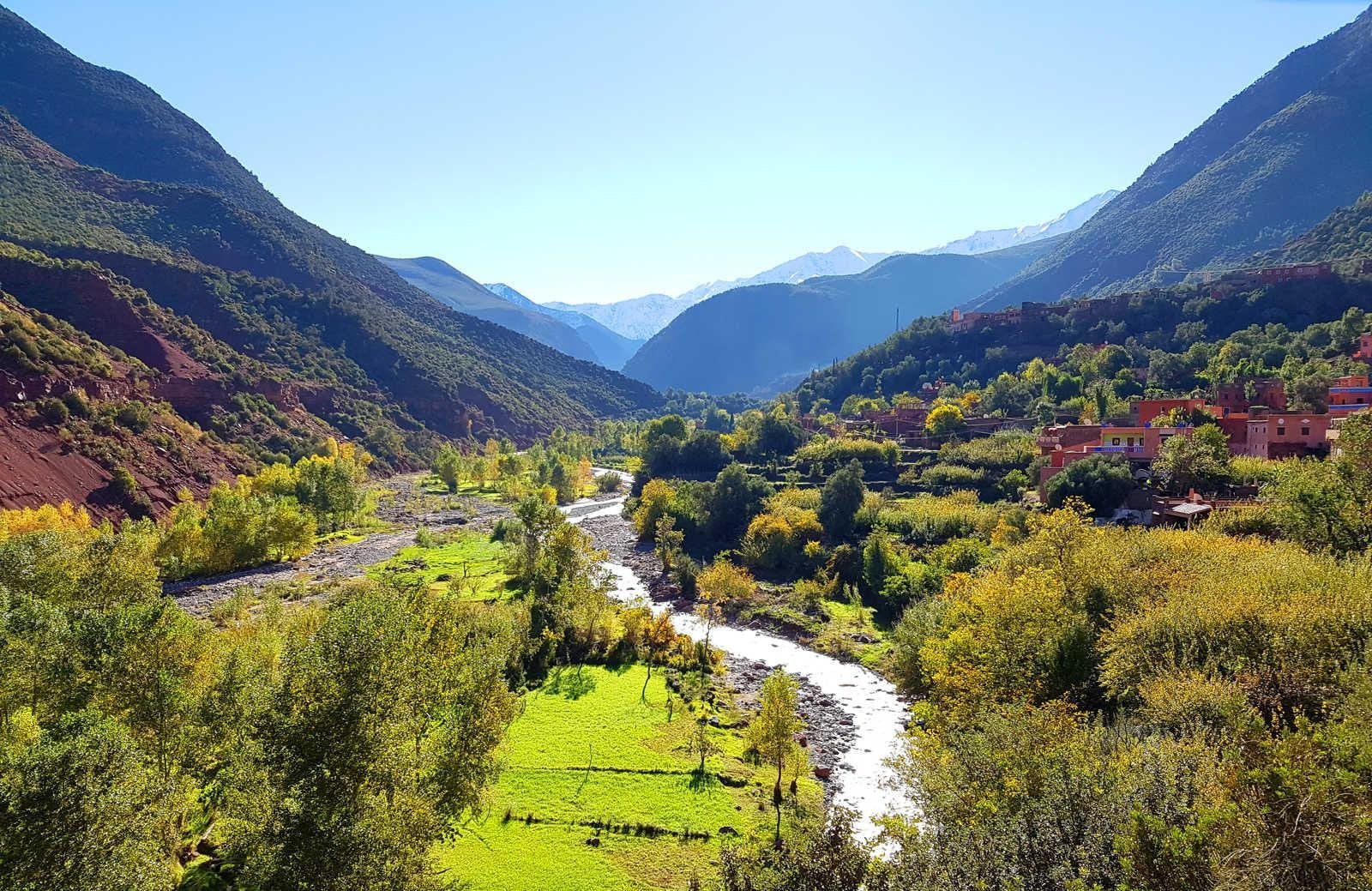
The Ourika Valley from Marrakech provides an enchanting escape into the High Atlas Mountains just 60 kilometers from the city. This lush valley follows the Ourika River through traditional Berber villages, terraced gardens, and dramatic mountain scenery. The journey offers a complete contrast to Marrakech’s urban intensity and desert landscapes.
Natural Beauty and Landscapes
Verdant vegetation thrives along the riverbanks, creating a green corridor through the arid mountains. Walnut, almond, and fruit trees provide shade and sustenance to valley residents. Spring transforms the landscape with blooming wildflowers and fruit blossoms, while autumn brings golden colors to the terraced fields.
The valley’s microclimate supports diverse agriculture unusual for this region of Morocco. Terraced gardens climb hillsides, demonstrating centuries of agricultural innovation and water management. Traditional irrigation channels called seguias distribute mountain snowmelt throughout the valley’s cultivated areas.
Setti Fatma Waterfalls
The village of Setti Fatma serves as the valley’s main attraction, offering access to seven stunning waterfalls. Most visitors hike to the first waterfall, a relatively easy 45-minute trek from the village. The trail follows the river through rocks and pools, requiring some scrambling and basic fitness.
More adventurous hikers can continue to higher waterfalls with increasing difficulty and better views. Local guides offer their services at the trailhead, providing valuable assistance on slippery rocks and alternative routes. Their knowledge of the terrain and safety considerations makes hiring a guide worthwhile, especially for families.
The falls create natural pools perfect for cooling off during hot summer months. Mist from the cascading water refreshes hikers after the climb. Visit during spring when snowmelt increases water volume for the most impressive displays.

Berber Village Experiences
Traditional Berber villages dot the valley’s hillsides, maintaining centuries-old lifestyles and customs. Many communities welcome visitors for tea and conversation in their distinctive earthen homes. These authentic interactions offer insights into mountain life, agricultural practices, and Berber cultural traditions.
Several villages operate women’s cooperatives producing argan oil, traditional textiles, and handicrafts. Supporting these enterprises directly benefits local families and preserves traditional skills. Cooperative visits typically include demonstrations and explanations of production techniques passed through generations.
Practical Advice for Ourika Valley Visits
The drive from Marrakech takes approximately one to one and a half hours depending on traffic. Roads through the valley are generally good, though they narrow considerably beyond Setti Fatma. Monday is market day in certain villages, offering opportunities to experience authentic souk culture.
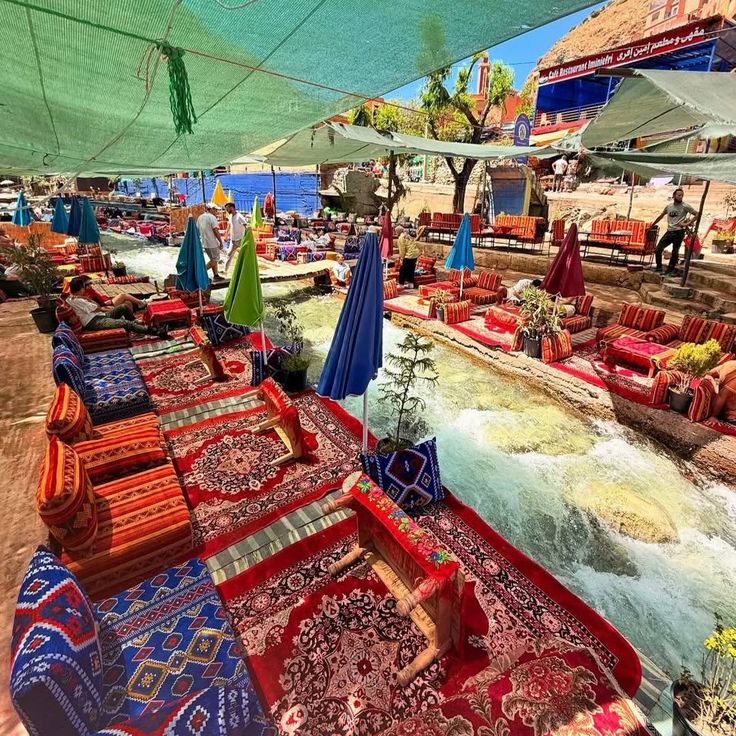
Riverside restaurants throughout the valley serve traditional Moroccan cuisine with stunning mountain views. Tagines, couscous, and grilled meats feature prominently on menus alongside fresh mountain trout. Many establishments have terraces built over the river, providing soothing water sounds during meals.
Wear sturdy shoes with good grip for waterfall hikes, as rocks can be wet and slippery. Bring modest clothing respecting local customs in traditional communities. Summers can be hot despite the altitude, so pack water, sunscreen, and hats accordingly.
Organized excursions through Morocco Holiday Services typically include transportation, guide services, and sometimes lunch. Independent travelers can hire grand taxis from Marrakech’s Bab er Rob for approximately 200-300 MAD return. Negotiate prices and return times clearly before departing.
Ouzoud Waterfalls from Marrakech: Morocco’s Most Spectacular Falls
The Ouzoud Waterfalls from Marrakech rank among Morocco’s most impressive natural wonders and most popular Marrakech excursions. These majestic falls plunge 110 meters over ochre cliffs into pools below, creating a spectacular display of power and beauty. Located in the Middle Atlas Mountains, the site offers hiking, wildlife viewing, and refreshing natural swimming opportunities.

The Falls and Surroundings
Three tiers of cascades create the Ouzoud’s dramatic effect, with water flowing year-round from mountain springs. Rainbows often form in the mist rising from the falls, particularly during sunny afternoons. The constant spray nourishes lush vegetation uncommon in Morocco’s generally arid climate.
Olive groves and traditional mills surround the falls, as “Ouzoud” means “olive” in the local Berber language. Ancient grinding stones still stand near the falls, though most have been converted into viewpoints and picnic areas. The landscape combines dramatic geological features with centuries of human habitation and agricultural activity.
Barbary Macaques
Wild Barbary macaques inhabit the area around Ouzoud, making appearances throughout the day near viewing platforms. These endangered primates represent one of only two macaque species found outside Asia. Observing them in their natural habitat provides memorable wildlife encounters rarely found elsewhere in North Africa.
Local guides feed the monkeys, encouraging them to approach for photography opportunities. However, visitors should never feed or touch the animals directly to protect both human and monkey wellbeing. Maintain respectful distances and secure belongings, as curious macaques sometimes investigate bags and pockets.
Hiking and Exploration Options
Multiple trails offer different perspectives of the waterfalls and surrounding landscape. The main path descends from the parking area to the falls’ base through scenic overlooks and photo opportunities. Stone steps and earthen paths require moderate fitness but remain accessible for most visitors.
Reaching the bottom reveals the falls’ full magnificence and provides access to swimming areas. Natural pools collect below the cascades, offering refreshing dips during warm weather. Small boats ferry visitors across pools for closer views of the falls and access to cave grottoes behind the cascades.
Ambitious hikers can follow trails to the top of the falls and beyond into olive groves and Berber villages. These extended routes provide solitude and alternative viewpoints away from the main viewing areas. Guides can be hired at the site entrance for approximately 100-150 MAD for enhanced safety and local knowledge.
Dining and Facilities
Numerous riverside restaurants and cafes operate near the falls, offering Moroccan cuisine with spectacular views. Tagines, grilled meats, and fresh salads dominate menus alongside refreshing mint tea and fresh orange juice. Many establishments feature terraces perched over the river, creating memorable dining experiences.
Souvenir shops sell local handicrafts, honey, olive oil, and traditional Berber items. These make excellent gifts and support local economy directly. Facilities including restrooms and changing areas are available near the parking area and main viewing points.
Planning Your Ouzoud Waterfalls Trip
The journey from Marrakech takes approximately two and a half to three hours each direction. Early morning departures allow maximum time at the falls and avoid afternoon heat. The winding mountain roads offer scenic views but can challenge those prone to motion sickness.
Most organized tours depart Marrakech around 8:00 AM and return by early evening. Full-day excursions typically include transportation, guide services, and occasionally lunch or entrance fees. Budget approximately 300-500 MAD per person for group tours or 1,000-1,500 MAD for private arrangements.
Bring swimwear and towels if planning to swim, though water remains cool throughout the year. Wear comfortable hiking shoes with good tread for navigating potentially slippery paths. Sun protection, water, and snacks enhance comfort during the day-long adventure.
Book your Ouzoud Waterfalls experience through Morocco Holiday Services for reliable transportation and expert guidance. Independent travelers can arrange grand taxis or rental cars, though organized tours eliminate navigation challenges.
Additional Day Trip Options from Marrakech
Beyond these highlighted destinations, numerous other Marrakech excursions await adventurous travelers. The Imlil Valley provides access to Mount Toubkal, North Africa’s highest peak, and traditional mountain villages. Paradise Valley near Agadir offers stunning gorges and natural swimming pools surrounded by palm trees.
The ancient Portuguese coastal town of El Jadida features remarkable Renaissance fortifications and underground cisterns. Telouet Kasbah showcases the former glory of the Glaoui family who once controlled southern Morocco. Each destination reveals different aspects of Morocco’s diverse geography, history, and culture.
Combining Multiple Destinations
Some longer day trips from Marrakech combine two destinations for comprehensive experiences. Popular combinations include Essaouira with argan cooperative visits or Ait Ben Haddou with Ouarzazate. These extended tours typically require 10-12 hours but maximize your exploration opportunities.
Consider your interests, physical fitness, and available time when selecting destinations and tour lengths. Families with young children might prefer closer destinations like Agafay Desert or Ourika Valley. Adventure seekers and photography enthusiasts often gravitate toward Ouzoud Waterfalls or Ait Ben Haddou.
Transportation Options for Marrakech Excursions
Private Tours
Private tours offer maximum flexibility, personalized itineraries, and dedicated guide attention throughout your journey. Departure times, stops, and pace adjust to your preferences and interests. Prices are higher but worthwhile for couples, families, or groups seeking customized experiences.
Private drivers provide door-to-door service from your accommodation, eliminating meeting point logistics. Comfortable, air-conditioned vehicles ensure pleasant travel experiences across varying distances and terrain. Most private tours include English, French, or Spanish-speaking guides depending on availability and preference.
Group Tours
Shared group tours provide cost-effective options for budget-conscious travelers and solo explorers. Fixed itineraries and schedules offer less flexibility but ensure efficient time management. Group sizes typically range from 8-17 participants depending on the operator and destination.
Meeting points are usually centrally located in Marrakech with pickup services available from major hotels. Transportation uses modern minibuses or vans with air conditioning and comfortable seating. Multilingual guides accommodate diverse group compositions with explanations in multiple languages.
Independent Travel
Rental cars allow complete independence and flexibility for confident drivers comfortable navigating Moroccan roads. International driving permits are required alongside valid licenses from your home country. GPS or offline maps prove essential, as signage can be inconsistent outside major routes.
Grand taxis offer economical transportation to popular destinations like Ourika Valley and Essaouira. Negotiate prices and return times clearly before departing to avoid misunderstandings. Shared grands taxis depart when full with six passengers, while private hire costs more but provides flexibility.
CTM buses serve major destinations including Essaouira with reliable schedules and comfortable coaches. Tickets should be purchased in advance, particularly during high season and holidays. This option suits independent travelers comfortable managing their own itineraries and timing.
Best Times to Visit Different Destinations
Seasonal Considerations
Spring (March-May) offers pleasant temperatures, blooming landscapes, and increased waterfall volume from snowmelt. This peak season brings larger crowds but optimal conditions for most activities. Summer (June-August) features hot temperatures, though mountains and coastal areas remain cooler than Marrakech itself.
Autumn (September-November) provides comfortable temperatures, fewer tourists, and beautiful light for photography. Winter (December-February) brings snow to high Atlas passes, occasionally closing roads to Ait Ben Haddou. Coastal Essaouira and lower valleys like Ourika remain accessible and temperate year-round.
Time of Day
Morning departures suit most destinations, providing cooler temperatures and better light for photography. Afternoon trips to Agafay Desert maximize sunset viewing opportunities when the landscape becomes most photogenic. Midday visits to Essaouira allow beach time during warmest hours when ocean breezes feel most refreshing.
What to Pack for Your Day Trips
Essential Items
Comfortable, broken-in walking shoes accommodate varied terrain across different destinations. Layered clothing adapts to temperature changes between Marrakech, mountain altitudes, and coastal areas. Sun protection including high-SPF sunscreen, sunglasses, and wide-brimmed hats prevents discomfort and long-term damage.
Reusable water bottles reduce plastic waste while ensuring hydration throughout active days. Small backpacks or day packs carry essentials without burdening you during hikes and exploration. Camera equipment, spare batteries, and memory cards capture the memorable moments and stunning landscapes.
Destination-Specific Items
Beach destinations like Essaouira benefit from swimwear, towels, and wind-breaking layers for breezy conditions. Mountain trips to Ourika Valley or Ouzoud Waterfalls call for sturdy hiking shoes and potentially swimming gear. Desert excursions to Agafay Desert require scarves or bandanas protecting against wind-blown dust and sand.
Modest clothing respecting local customs proves essential in traditional villages and religious sites. Women should pack lightweight scarves covering shoulders and heads when visiting certain areas. Men should avoid shorts when entering villages, though comfortable long pants suffice for most situations.
Cultural Etiquette and Travel Tips
Respectful Tourism
Photography etiquette requires asking permission before photographing people, particularly in traditional communities. Many locals happily pose for photos, especially if you’ve shared tea or conversation. Others prefer privacy, and respecting these wishes demonstrates cultural sensitivity and courtesy.
Dress modestly particularly in rural areas and traditional villages where conservative values predominate. Supporting local businesses, cooperatives, and restaurants directly benefits communities visited during your excursions. Bargaining at souks and craft shops remains expected, but approach negotiations respectfully and fairly.
Language and Communication
Learning basic Arabic or French phrases enhances interactions and demonstrates respect for local culture. “Shukran” (thank you), “salam” (hello), and “inshallah” (God willing) go far in creating positive connections. Many Moroccans working in tourism speak English, though efforts to communicate in their languages are appreciated.
Health and Safety
Tap water should be avoided throughout Morocco; purchase bottled water or use purification methods. Restaurant food at established venues is generally safe, though street food requires judgment and observation. Watch for proper cooking temperatures and cleanliness when selecting dining options.
Travel insurance covering medical emergencies and evacuation provides peace of mind during adventurous activities. Inform your accommodation of your daily excursion plans and expected return times. Keep copies of important documents separate from originals for security purposes.
Booking Your Marrakech Excursions
Choosing Tour Operators
Research tour operators thoroughly through reviews on platforms like TripAdvisor and Google before booking. Established companies like Morocco Holiday Services offer reliable transportation, knowledgeable guides, and responsive customer service. Compare inclusions carefully, as lowest prices sometimes exclude entrance fees, meals, or essential services.
Verify what’s included in quoted prices including transportation, guide services, entrance fees, and meals. Understand cancellation policies and weather-related contingencies before confirming bookings. Read recent reviews focusing on guide quality, vehicle conditions, and overall experience rather than just price.
Timing Your Bookings
High season (March-May and September-November) requires advance booking to secure preferred dates and avoid sold-out tours. Summer and winter offer more availability and potentially better rates despite weather considerations. Last-minute bookings sometimes yield discounts, though options become limited during popular periods.
Book popular destinations like Ait Ben Haddou and Ouzoud Waterfalls several days ahead during peak seasons. Closer destinations with multiple daily departures like Ourika Valley offer more flexibility. Private tours require more advance notice for vehicle and guide arrangements.
Making the Most of Your Day Trips
Time Management
Respect departure times and meeting points to ensure smooth operations for all participants. Bring snacks and entertainment for longer drives, though scenic routes provide constant visual interest. Communicate dietary restrictions, mobility limitations, or health concerns when booking to ensure appropriate arrangements.
Engagement and Learning
Ask guides questions about history, culture, and daily life to deepen your understanding. Guides possess wealth of knowledge beyond standard tour information and appreciate genuine interest. Engage with local people encountered during stops respectfully and curiously without imposing on their time.
Take moments throughout the day to simply absorb surroundings without constant photography or activity. These quiet observations often create the most lasting memories and meaningful connections. Balance planned activities with spontaneous exploration when time permits.
Conclusion: Embark on Your Moroccan Adventure
Day trips from Marrakech unlock Morocco’s incredible diversity, from Atlantic coasts to mountain peaks and desert landscapes. Each destination offers unique perspectives on Moroccan culture, history, and natural beauty within easy reach of the Red City. Whether seeking adventure, relaxation, cultural immersion, or photographic opportunities, these excursions deliver unforgettable experiences.
The Agafay Desert from Marrakech brings desert magic without extensive travel, while Ait Ben Haddou from Marrakech showcases Morocco’s cinematic historical architecture. Essaouira from Marrakech provides refreshing coastal charm, while Ourika Valley from Marrakech offers mountain serenity. Meanwhile, Ouzoud Waterfalls from Marrakech presents Morocco’s most spectacular natural wonder within day-trip distance.
Professional tour operators like Morocco Holiday Services handle logistics, allowing you to focus on experiencing Morocco’s treasures fully. Expert guides share insights impossible to gain independently, while reliable transportation ensures comfortable, safe journeys. Organized Marrakech excursions eliminate stress and maximize your precious vacation time.
Don’t limit your Moroccan experience to Marrakech’s medina walls. The country’s hidden gems await just beyond the city, ready to reveal their secrets to curious travelers. Whether you have one day or several, these excursions transform good vacations into extraordinary journeys filled with discovery, wonder, and authentic cultural connections.
Book your Marrakech excursions today and begin planning the adventure of a lifetime. Morocco’s diverse landscapes, rich history, and warm hospitality create memories that endure long after you return home. From sunrise in the Atlas Mountains to sunset over Agafay’s rocky plains, each moment offers opportunities for wonder, learning, and joy.
Start exploring Morocco’s hidden gems tomorrow. Your Marrakech adventure awaits, and the journey of discovery begins with a single day trip into this captivating country’s heart and soul.