Introduction
Are you looking for an unforgettable adventure? Trekking in the Atlas Mountains of Morocco offers stunning views, rich culture, and the chance to challenge yourself. From towering peaks to lush valleys, it’s an ideal destination for outdoor enthusiasts. Whether you’re an experienced hiker or a beginner, the Atlas Mountains provide something for everyone.
In this guide, we will explore the best trekking routes, highlight the landscapes, and share cultural experiences waiting for you. Furthermore, we’ll answer common questions and offer helpful tips to ensure you can plan your trip efficiently.
Why Trek in the Atlas Mountains?
The Atlas Mountains stretch over 2,500 kilometers, dividing Morocco into northern and southern parts. As a result, they provide a variety of trekking options, ranging from short day hikes to longer, more challenging expeditions. These mountains are famous for their towering peaks, like Mount Toubkal, and the beautiful Berber villages scattered throughout.
In addition to the physical challenge, trekking in the Atlas Mountains gives you the opportunity to experience the rich local culture. The Berber people, who have lived in these mountains for centuries, offer a glimpse into their unique traditions and way of life. Consequently, trekking here combines nature with culture, making it a truly immersive experience.
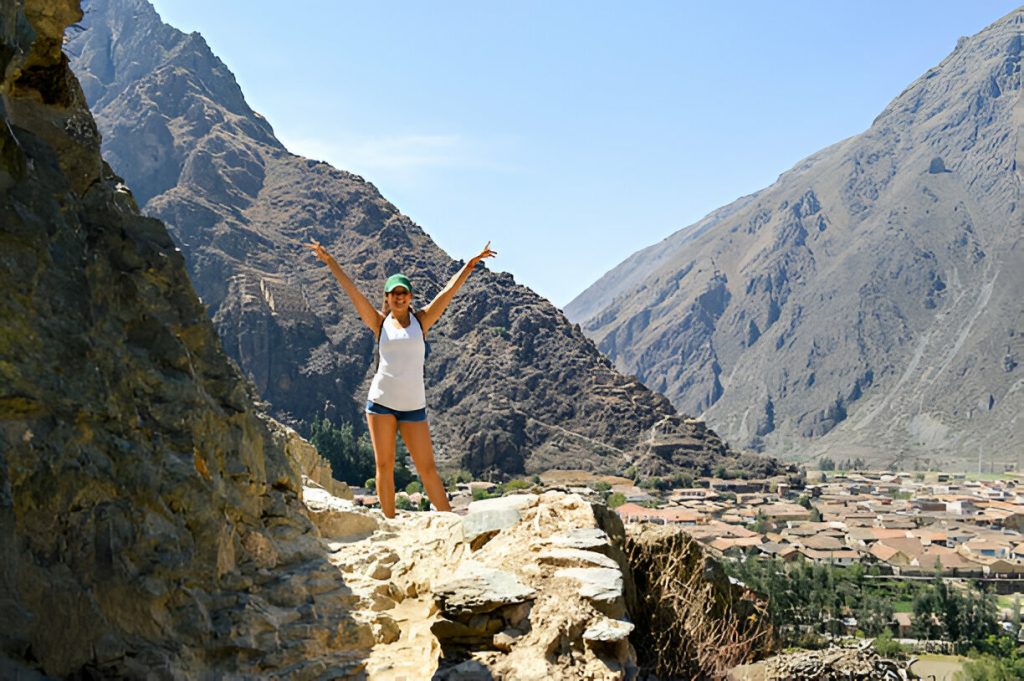
Best Trekking Routes in the Atlas Mountains
1. Mount Toubkal Trek
First and foremost, summiting Mount Toubkal is a must-do. Standing at 4,167 meters, it is the highest peak in North Africa. The trek to the summit takes two to three days. Although the climb is challenging, the panoramic views from the top are more than worth the effort. Not only will you feel a sense of accomplishment, but you will also witness breathtaking scenery.

2. Imlil Valley and Toubkal National Park
If you’re looking for an easier and more accessible trek, the Imlil Valley is a great place to start. Located just an hour from Marrakesh, it offers beautiful views of the mountains and traditional Berber villages. The valley is also the entry point to Toubkal National Park. In fact, whether you choose a short walk or a multi-day trek, the Imlil Valley has something for everyone.
Moreover, this area is surrounded by green meadows, which make it ideal for those looking for a peaceful and scenic hike. As a result, it’s an excellent choice for both beginners and seasoned trekkers.

3. Ourika Valley Trek
For those looking to take it easy, the Ourika Valley offers a relaxing trek. Known for its terraced fields and waterfalls, this valley provides easy hikes with stunning views of snow-capped mountains. It’s perfect for anyone who wants to enjoy the natural beauty of the region while learning about Berber culture.
Additionally, the Ourika Valley is home to several villages where you can interact with locals and experience their way of life. Therefore, this trek not only offers natural beauty but also a unique cultural experience.

4. The M’Goun Massif Trek
For those seeking a more remote experience, the M’Goun Massif offers a rugged trek. This route takes you through rocky landscapes and isolated villages, far from the usual tourist paths. The trek is more challenging, but it rewards you with incredible views from the summit at 4,068 meters.
Furthermore, the M’Goun trek provides a sense of peace and solitude that is hard to find in the more popular areas. As a result, it’s a perfect choice for those who want to enjoy the quiet beauty of the Atlas Mountains.

Cultural Insights and Berber Villages
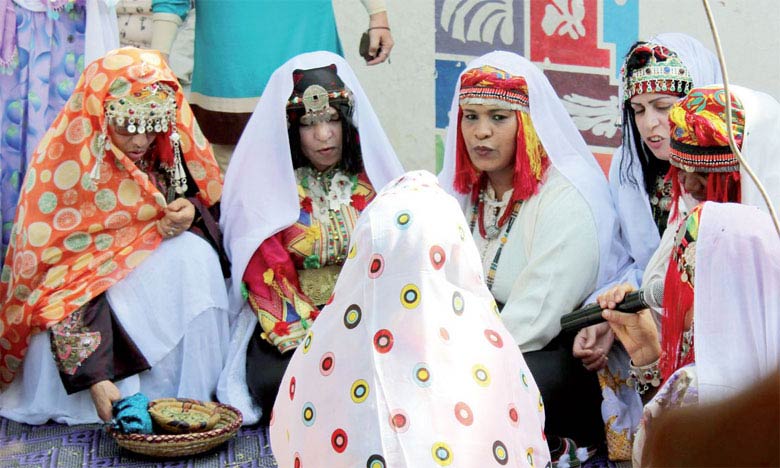
Trekking in the Atlas Mountains also gives you the chance to learn about the Berber people. As you hike, you’ll pass through several villages where you can experience their traditions firsthand. The Berbers are known for their hospitality, and many trekkers are invited into their homes for a cup of mint tea or a traditional meal.
In addition to these personal interactions, the Berber villages are a living museum of ancient customs, crafts, and lifestyles. Thus, trekking here allows you to connect with the culture in a meaningful and memorable way.
Best Time to Trek in the Atlas Mountains
The ideal time to trek in the Atlas Mountains is during spring (April to June) or autumn (September to November). During these months, the weather is mild, and the landscapes are particularly beautiful. Conversely, summer can be very hot, especially in the lower valleys, making it less comfortable for long hikes.
Winter, on the other hand, brings snow to the higher altitudes, making some treks more difficult. However, if you are an experienced hiker and are prepared with the right gear, winter trekking is still possible.
What to Pack for Trekking in the Atlas Mountains
To ensure you are well-prepared for your trek, here’s a checklist of essential items:
-
Trekking boots: These are essential for navigating rough terrain and ensuring comfort.
-
Layered clothing: Temperatures in the mountains can vary, so it’s important to pack both warm and light clothing.
-
Waterproof gear: The weather can be unpredictable, so waterproof jackets and pants are a must.
-
Sunscreen and sunglasses: The sun can be strong, especially at higher altitudes.
-
Headlamp: This is useful for early or late hikes when there’s less daylight.
-
Snacks: Carry energy bars or dried fruit to keep your energy up during the hike.
By packing these items, you’ll be well-equipped for the variety of conditions you may encounter.
FAQs about Trekking in the Atlas Mountains
1. Is trekking in the Atlas Mountains suitable for beginners?
Yes, many treks in the Imlil and Ourika Valleys are beginner-friendly. These areas offer moderate hikes with stunning views, making them ideal for those who are new to trekking.
2. Do I need a guide for trekking in the Atlas Mountains?
Although it is possible to trek on your own on well-marked routes, hiring a guide is recommended, especially for more challenging treks. A guide can help ensure you stay on track and offer valuable insights into the history and culture of the region.
3. What is the highest peak in the Atlas Mountains?
Mount Toubkal is the highest peak in the Atlas Mountains, standing at 4,167 meters. It is one of the most popular destinations for trekkers in the region.
4. Can I trek in the Atlas Mountains in winter?
Yes, you can trek in winter, but it’s more challenging due to snow and cold temperatures. However, with the right gear and experience, winter trekking can offer a unique and rewarding experience.
Conclusion
Trekking in the Atlas Mountains offers an unforgettable adventure. The combination of beautiful landscapes, cultural immersion, and physical challenges makes it a must-visit destination for outdoor lovers. Whether you’re climbing Mount Toubkal or exploring serene valleys, there’s something for everyone.
Regardless of your experience level, the Atlas Mountains promise a once-in-a-lifetime adventure. Prepare yourself for an incredible journey filled with stunning views, cultural discoveries, and unforgettable memories. So, add the Atlas Mountains to your travel list and start planning your trek today!