Morocco is a country of vibrant traditions, rich heritage, and timeless customs. Beyond its bustling souks and breathtaking landscapes, the heart of Morocco lies in its authentic cultural experiences—where centuries-old traditions are still alive today.
For travelers seeking a deeper connection with Moroccan culture, this guide highlights immersive experiences that go beyond sightseeing, offering a chance to truly live, taste, and feel Morocco’s heritage.
1. Stay in a Traditional Riad – A Journey Back in Time
Why Stay in a Riad?
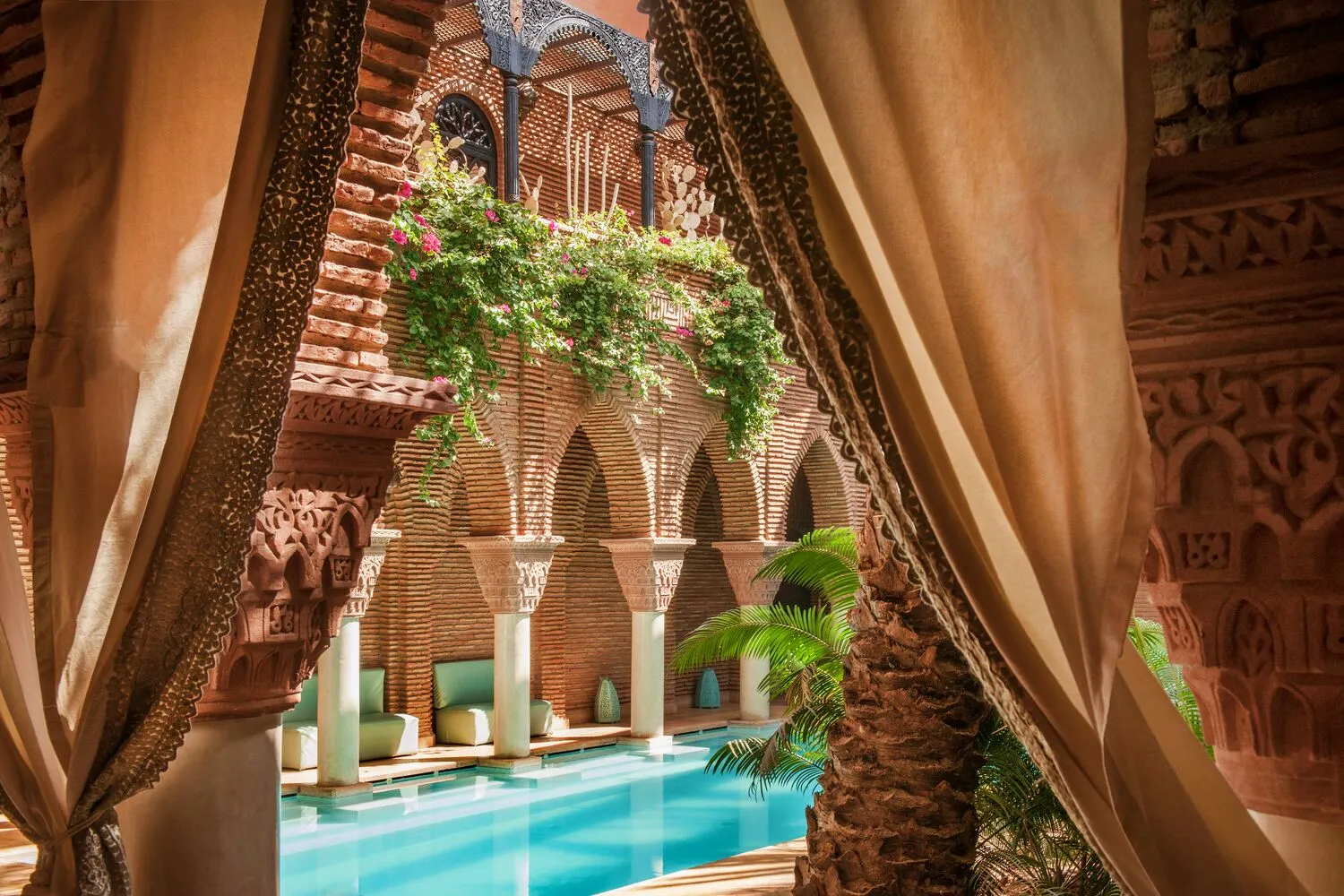
Unlike modern hotels, a riad is an experience in itself. These traditional Moroccan homes, with their intricately designed courtyards, mosaic fountains, and rooftop terraces, provide an intimate escape into Moroccan elegance.
Best Riads for an Authentic Experience:
- Riad Yasmine (Marrakech) – A peaceful oasis with stunning tilework.
- Riad Laaroussa (Fes) – A restored 17th-century palace with a rooftop overlooking the Medina.
- Riad Dar Chamaa (Ouarzazate) – A desert retreat blending Berber and Andalusian architecture.
💡 Tip: Wake up early for a traditional Moroccan breakfast in the courtyard—freshly baked msemen (Moroccan pancakes), honey-drizzled baghrir, and mint tea served in ornate glasses.
2. Cook and Dine Like a Local – Moroccan Culinary Experiences
Why Experience Moroccan Cooking?
Moroccan cuisine is a sensory adventure—aromatic spices, slow-cooked tagines, and centuries-old recipes passed down through generations. Taking part in a cooking class allows you to understand Morocco through its flavors.
Top Culinary Experiences:
- Learn to Cook a Tagine in Marrakech – Visit a local market, pick fresh ingredients, and cook alongside a Moroccan chef.
- Bread-Making with Berber Women – Experience the ancient art of baking khobz (traditional bread) in an earthen oven.
- Spice Discovery in Fes – Explore the souks of Fes and learn about the power of saffron, cumin, and ras el hanout.
💡 Did you know? Moroccan food is meant to be shared—most meals are eaten from a communal plate, symbolizing unity and hospitality.
3. Ride a Camel into the Sahara – Experience Nomadic Life
Why Take a Camel Trek?
The golden dunes of Merzouga offer one of Morocco’s most iconic experiences: a camel trek into the vast Sahara Desert, where silence is only broken by the shifting sands. This journey connects travelers to Morocco’s ancient nomadic heritage.
What to Expect?
- Sunset Camel Ride – Travel across the dunes as the sky turns shades of orange and purple.
- Traditional Berber Camp – Spend the night in a luxury desert camp, complete with handwoven carpets and candlelit dinners.
- Sahara Stargazing – The desert’s remote location offers a dazzling view of the Milky Way.
💡 Tip: Listen to Berber musicians play the tam-tam (drums) around the campfire—each rhythm tells a story of the desert.
4. Witness the Art of Moroccan Tilework – A Craft Passed Through Generations
Why Learn About Zellij (Moroccan Tilework)?
Morocco’s zellij (mosaic tilework) is one of its most exquisite art forms, adorning palaces, mosques, and riads with intricate geometric patterns. Visiting a traditional workshop allows travelers to see the craftsmanship behind these masterpieces.
Where to Experience It?
- Fes Tile & Pottery Cooperative – See master artisans at work, carefully placing each tiny tile by hand.
- Meknes Artisan Souk – Discover workshops where centuries-old techniques are still practiced.
- The Secret Zellij of Marrakech – Visit hidden palaces with stunning tile mosaics, rarely seen by tourists.
💡 Did you know? Every pattern in Moroccan zellij has a meaning—some designs symbolize harmony, while others represent protection or infinity.
5. Attend a Traditional Moroccan Wedding (or Fantasia Festival!)
Why Witness a Moroccan Celebration?
Moroccan weddings are grand, multi-day events filled with music, dance, and elaborate traditions. If you get an invitation, consider yourself lucky—it’s one of the most immersive cultural experiences you can have.
What Makes Moroccan Weddings Special?
- The Henna Ceremony – Brides have their hands and feet adorned with intricate henna patterns for good luck.
- The Amaria Entrance – The bride is carried on a beautifully decorated platform, celebrating her transition into marriage.
- The Feast – Expect an extravagant meal with slow-cooked lamb mechoui, pastilla (sweet-savory pie), and endless mint tea.
If you can’t attend a wedding, the Fantasia Festival (Tbourida) is the next best thing—a dramatic horse-riding spectacle that showcases Morocco’s warrior heritage.
💡 Tip: Fantasia performances can be seen in Marrakech and Meknes, with horsemen dressed in dazzling traditional attire.
6. Discover Morocco’s Ancient Music and Dance Traditions
Why Experience Moroccan Music?
Morocco’s music scene is as diverse as its landscapes, blending Andalusian, Berber, and Gnawa influences into hypnotic rhythms and soulful melodies.
Best Places for Authentic Music Experiences:
- Gnawa Music in Essaouira – Listen to trance-like Gnawa music, rooted in African and Sufi traditions.
- Andalusian Melodies in Fes – Experience the poetic beauty of Andalusian orchestras.
- Berber Ahouach Dance in the Atlas Mountains – Watch villagers perform ancient communal dances under the stars.
💡 Did you know? The Gnawa World Music Festival in Essaouira attracts musicians from around the globe, celebrating the spiritual power of Moroccan music.
7. Visit a Berber Village – The True Spirit of Morocco
Why Visit Berber Villages?
The Amazigh (Berber) people are Morocco’s indigenous inhabitants, and their traditions date back thousands of years. A visit to a Berber village offers an intimate look at Morocco’s oldest way of life.
Where to Go?
- Aït Bouguemez Valley – The “Happy Valley,” where villagers live in harmony with nature.
- Toubkal National Park – Home to traditional mud-brick homes and panoramic mountain views.
- Sahara Nomad Camps – Spend a day with desert nomads, learning about their way of life.
💡 Tip: In Berber culture, hospitality is sacred—don’t be surprised if you’re invited in for tea and homemade bread!
Conclusion: Embrace the True Essence of Morocco
Morocco is not just a place to visit—it’s a place to experience. By stepping beyond the tourist trail and embracing its authentic cultural traditions, you’ll discover a Morocco that is richer, deeper, and more captivating than you ever imagined.
From learning ancient crafts to sharing meals with locals, these experiences will immerse you in Morocco’s soul, creating memories that last a lifetime.